
Posted on Sunday, July 12th, 2026 at 1:00 pm
Understanding Your Rights After an Atlanta Rideshare Crash
Key Takeaways: If your Uber gets in an accident during your trip, recovering compensation requires establishing fault under Georgia negligence law. Insurance coverage shifts by ride phase, with up to $1 million in liability protection typically available when a driver is actively transporting a passenger. If your driver caused the crash, you may pursue both their insurer and Uber’s coverage; if a third-party motorist caused it, your claim shifts to that driver’s policy. Protect your claim by reporting the crash, seeking prompt medical care, documenting the scene, and sharing only basic facts with the rideshare company. Georgia imposes a 30-day notice option and a two-year statute of limitations under O.C.G.A. § 9-3-33. Because rideshare claims involve overlapping coverage and time-sensitive evidence, guidance from an experienced attorney helps you understand your realistic options.
Getting hurt as a passenger in an Uber can leave you confused about who pays for your injuries and what steps to take next. In Georgia, the answer depends on who was at fault, which ride phase was active, and how quickly you protect the evidence.
If you were injured in an Uber accident Atlanta riders trust the team at Jonathan R. Brockman, P.C. to explain your options. You can reach the firm at 678-498-1574 or request a free case evaluation to discuss what happened during your ride.
What Happens if Your Uber Gets in an Accident During Your Trip
Knowing what happens if your Uber gets in an accident starts with understanding fault, because being a passenger alone does not guarantee compensation. Under Georgia negligence principles, you must show that someone breached a duty of care that caused your injuries. If your rideshare driver contributed to the crash, you may pursue their coverage; if another motorist caused it, your claim typically goes against that driver’s insurer.
Georgia law imposes a specific duty of care on those who transport passengers. Under duty owed to passengers O.C.G.A. § 51-1-36, a motor vehicle operator owes reasonable care to passengers, forming the cornerstone of a negligence claim. Compensated Uber drivers are held to the ordinary negligence standard.
💡 Pro Tip: Fault in a rideshare accident Atlanta claim is rarely obvious at the scene. Preserve dashcam footage, the app trip record, and witness names before that information disappears.
How Insurance Coverage Shifts With Each Ride Phase
Coverage in a rideshare crash depends heavily on what the driver was doing when the collision happened. When a driver is picking up or actively carrying a passenger, Uber and Lyft generally provide the most protective coverage available.
| Ride Phase | Typical Coverage Available |
|---|---|
| App off / personal use | Driver’s personal auto policy only |
| App on, waiting for a request | Limited contingent liability coverage |
| En route or transporting a passenger | Up to $1 million in liability coverage |
Under O.C.G.A. § 33-1-24, rideshare companies must maintain liability coverage of up to $1 million while a driver is engaged in a prearranged ride, along with lower limits when a driver is logged on but waiting for a request. This ensures an injured passenger has a policy to pursue when the driver is at fault.
During an active ride, you may be able to pursue multiple sources of recovery. If your driver caused the crash, both the driver’s insurer and Uber’s coverage may share responsibility. When a third-party motorist caused the collision, your claim shifts to that motorist’s policy, and any shortfall may implicate uninsured or underinsured motorist coverage, which remains optional in Georgia.
Steps to Protect Your Claim After an Atlanta Uber Crash
What you do in the minutes and days after a collision can shape your claim’s strength. Georgia requires drivers to report crashes involving death or more than $500 in property damage, and police investigations create official records capturing witness statements. Unreported crashes can raise fraud suspicions and lead to denied coverage.
- Report only basic facts to Uber or Lyft, avoiding detailed injury descriptions
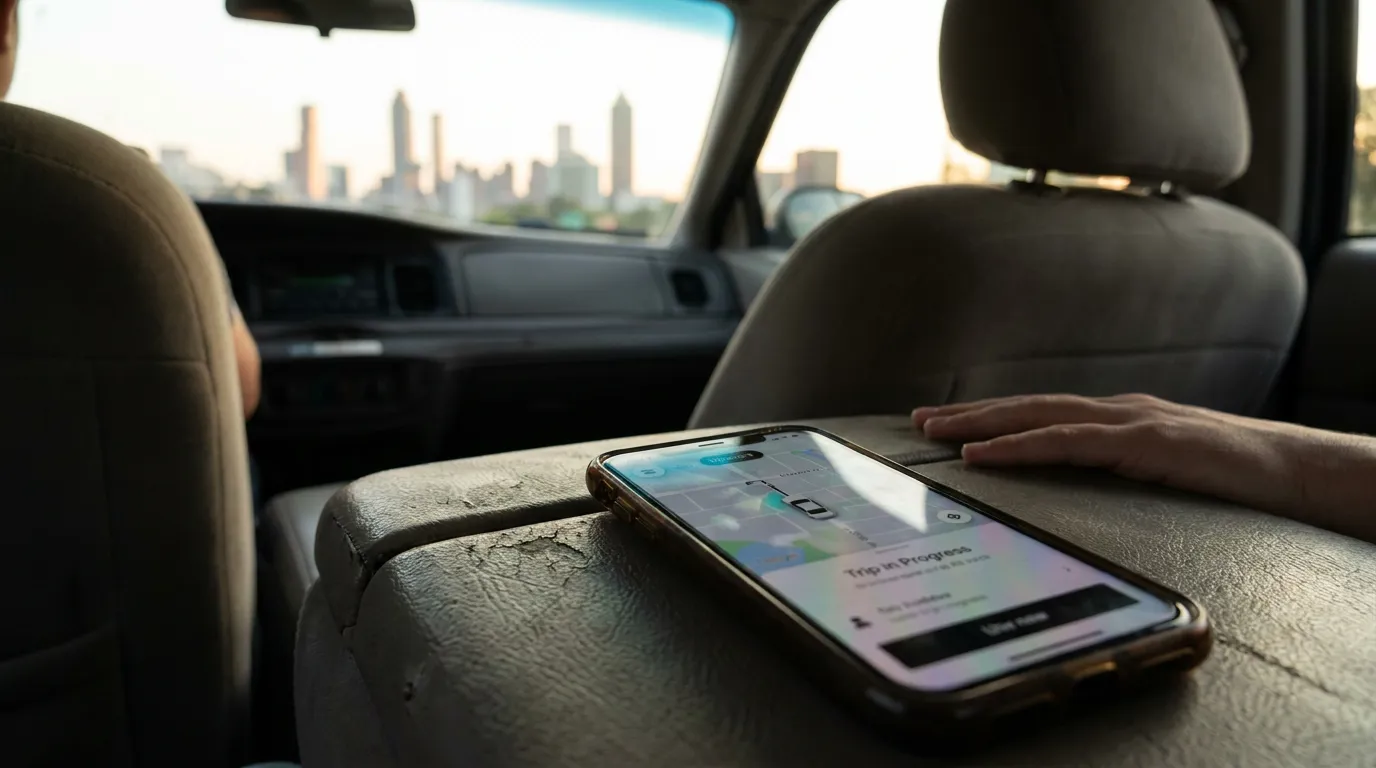
- Document the scene with photos, the trip screen, and witness contact information
- Seek prompt medical care to tie your injuries to the crash in the record
- Consider whether your own PIP or MedPay coverage can pay medical bills quickly
Reporting an accident to a rideshare company deserves caution. Early statements can be used to minimize a later Uber accident claim Georgia insurers evaluate. A measured approach protects your right to full compensation while facts are being developed.
💡 Pro Tip: Keep a simple daily log of your symptoms, missed work, and out-of-pocket costs. This contemporaneous record often proves more persuasive than memory alone.
The Role of Impairment and Chemical Testing Evidence
Evidence that a driver was impaired can strengthen an injured passenger’s claim. Under Georgia’s implied consent law at O.C.G.A. § 40-5-55(a), any person operating a vehicle is deemed to consent to chemical testing when involved in a traffic accident causing serious injury or death.
When an Atlanta Uber crash involves a suspected impaired driver, test results can support a negligence claim. While impairment evidence does not by itself guarantee recovery, it can be a powerful component of proving a driver failed to exercise reasonable care.
Notice Requirements and Filing Deadlines in Georgia
Georgia law gives injured third parties a specific way to preserve an insurance claim. An injured Uber passenger may mail notice to the insurer within 30 days of the accident if the insured driver has not already reported it. This procedural protection is critical when a driver is slow to report a crash.
A separate deadline governs how long you have to file a lawsuit. Georgia fixes the statute of limitations for personal injury cases at two years from the accident date under O.C.G.A. § 9-3-33. Courts interpret exceptions narrowly, so it is generally unwise to assume more time is available.
Fault is measured through Georgia’s comparative negligence framework. Understanding how comparative fault principles reduce or bar recovery matters because your own conduct can affect the amount you receive, and under O.C.G.A. § 51-12-33, being 50% or more at fault bars recovery entirely. Because rideshare companies often direct disputes into arbitration, how a claim is presented early can influence your options later.
💡 Pro Tip: Do not wait until close to the two-year mark to seek guidance. Evidence such as vehicle data and camera footage is frequently deleted within weeks.
Why Legal Guidance Matters in Rideshare Injury Cases
Rideshare claims layer commercial insurance, app records, and multiple potentially responsible parties on top of ordinary car accident rules. Identifying which insurer applies, whether the ride phase triggered Uber’s larger policy, and how Georgia’s negligence law affects your recovery requires careful analysis. An experienced Atlanta Uber accident attorney can help sort through overlapping coverage and preserve time-sensitive evidence.
Every case turns on its own facts. This detailed guide on what happens if your Uber gets in an accident explains common scenarios injured riders face. Reviewing your situation with a knowledgeable advocate helps you understand your realistic options.
Frequently Asked Questions
-
Can I sue Uber directly if my claim is denied?
You may be able to pursue Uber, but the company treats drivers as independent contractors to limit direct liability. Uber and Lyft generally require riders and drivers to resolve disputes through arbitration under their terms. How this plays out depends on the language you agreed to.
-
Does being a passenger guarantee I will be compensated?
No, injury alone does not guarantee payment because fault must be established. To reach Uber’s coverage, you must show your driver was at least partially at fault. If another motorist caused the Atlanta Uber crash, your claim proceeds against that driver’s insurer.
-
How much liability coverage applies during an active ride?
When a driver is picking up or transporting a passenger, Uber and Lyft generally provide up to $1 million in liability coverage. This coverage kicks in only when the driver is on the app and offers the most protection during active trips.
-
What if the at-fault driver has little or no insurance?
Uninsured and underinsured motorist coverage may help fill the gap, but it is optional in Georgia. Not every driver carries it, which can affect what you recover in a Georgia rideshare accident. Reviewing all available policies early is the best approach.
-
How long do I have to file a lawsuit in Georgia?
You generally have two years from the accident date under O.C.G.A. § 9-3-33. Courts apply exceptions narrowly. Missing this deadline can permanently bar an otherwise valid Uber passenger injury Atlanta claim.
Moving Forward After Your Atlanta Uber Accident
Understanding what happens if your Uber gets in an accident empowers you to protect your health, evidence, and legal rights. The applicable coverage, responsible party, and deadlines all hinge on the specific facts of your ride. Acting promptly to report the crash, document injuries, and preserve records gives you the strongest foundation for fair recovery.
You do not have to navigate the process alone. Reach out to Jonathan R. Brockman, P.C. by calling 678-498-1574 or completing a free case evaluation to discuss your options after a rideshare crash. The team is ready to review your situation and help you understand the path forward.